
The Truth About Tankless Water Heater Lifespan: What Experts Won’t Tell You
Tankless water heaters can last an impressive 15-20 years with proper maintenance. Their extended lifespan makes them an intelligent long-term investment that many homeowners find worthwhile.
The comparison with traditional tank models reveals a significant difference. Standard water heaters store about 50 gallons of water and could cause disasters if they leak. A tankless water heater’s life expectancy offers advantages beyond just lasting longer. These systems deliver hot water on demand while taking up less space than conventional units.
Allow me to share the real story about tankless water heater longevity, what affects their lifespan, and some expert maintenance tips to help you realize the complete potential of your investment. You’ll also discover some hidden aspects of tankless water heater performance to consider before making your choice.
How long should a tankless water heater last?
Research shows that tankless water heaters last much longer than traditional ones. The U.S. Department of Energy reports that most tankless systems can last over 20 years, whereas conventional tank heaters typically last only 10-15 years.
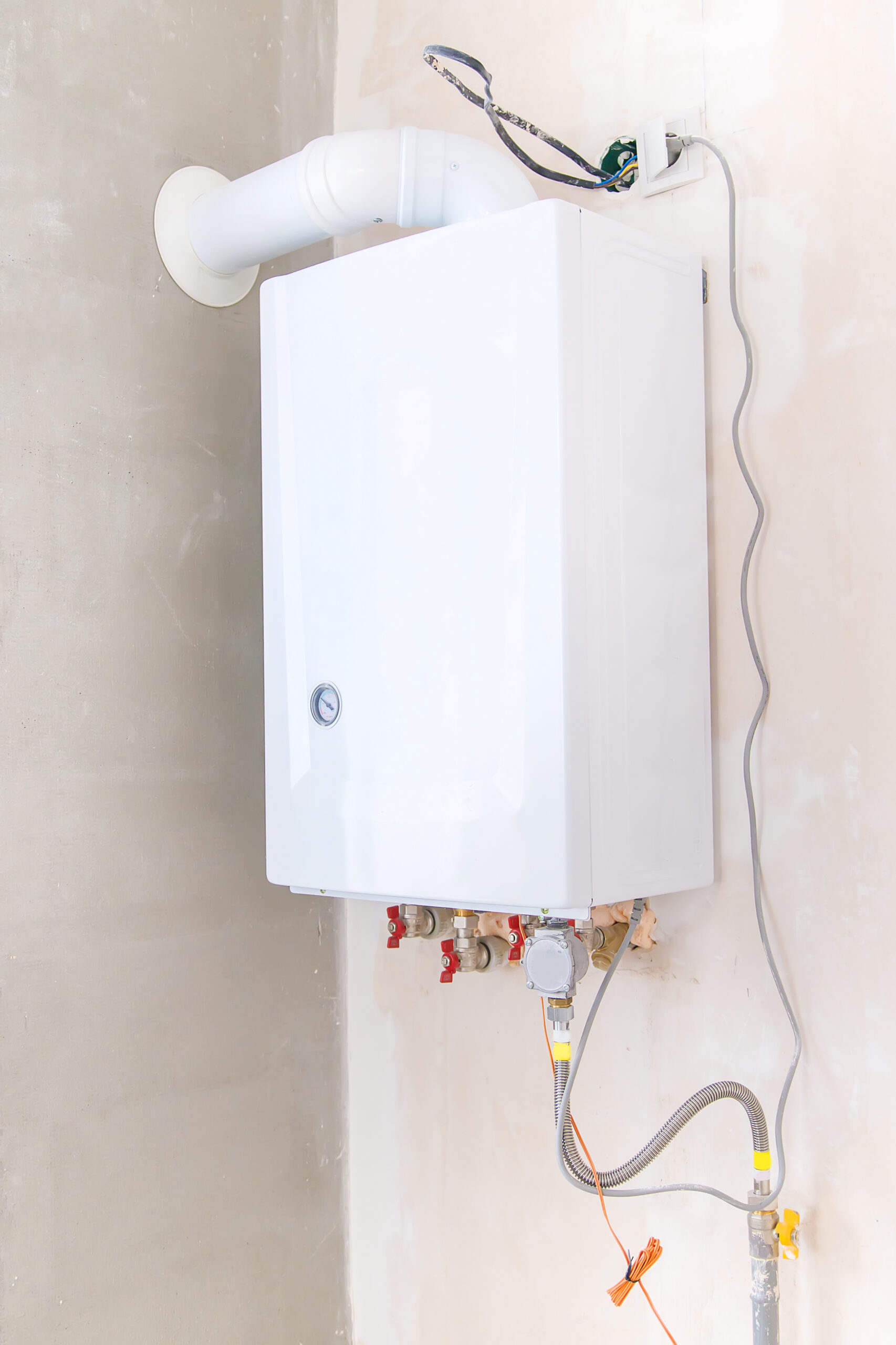
The numbers by industry professionals back this up. Their reports show tankless units typically run for 15-20 years, and high-quality models can keep going strong past the 20-year mark. Traditional tank heaters, on the other hand, usually need replacement after just 8-12 years.
We can credit this impressive lifespan to the on-demand heating system. These units don’t store water, which means they avoid the mineral accumulation and corrosion that often cut tank heaters’ lives short. On top of that, they skip the wear and tear caused by constant reheating cycles.
Still, several factors affect how long these units actually last. Water quality is a vital factor – hard water can damage the internal parts over time. A professional installation will provide a properly sized and vented unit, preventing overwork and early failure.
Your maintenance routine matters most of all. Regular descaling removes mineral deposits that make your unit work harder. Skip this simple maintenance, and you’ll see reduced efficiency that may lead to system failure, cutting years off your unit’s life.
What shortens or extends the tankless water heater’s lifespan
The lifespan of your tankless water heater depends on several major factors. Water quality is the biggest problem—hard water with calcium and magnesium builds up scale, making the unit work harder and wear out faster. When minerals accumulate, they can make your heater less effective, mess up temperature sensors, and shorten its lifespan by more than 2 years.
Maintenance frequency is just as important. You need yearly descaling to remove those harmful mineral deposits. This service costs between $130 and $200. If you have very hard water, you might need this done twice a year.
The proper installation can make or break your heater’s performance—wrong sizing or poor connections lead to wasted energy. Your usage patterns also affect how long it lasts; running multiple showers puts extra stress on your system.
The unit materials you choose really matter. Models with stainless steel heat exchangers hold up better than copper ones, especially when you have tough water conditions.
Environmental aspects, like where you put your heater, entail careful thought. Units in places without temperature control, like attics, take extra beating from weather changes.
Adding water softeners or sediment filters helps your heater last longer by dealing with the reasons it fails early. You should clean filters every 3-4 months to keep everything running well.
How to make your tankless water heater last longer
Your tankless water heater’s lifespan depends on consistent maintenance and proper care. Regular descaling is the lifeblood of maintenance and should be performed annually to remove mineral deposits that can damage the heat exchanger. Hard-water homes (above 7 grains per gallon) need this cleaning every 6 months.
The inlet water filter needs regular cleaning, too. This simple task takes just minutes and should happen every 6-12 months to prevent debris from clogging your system. You need to turn off the power and water supply, remove the filter, clean the debris, and reinstall it.
A water softener makes a smart investment. The Water Quality Research Foundation’s studies show that tankless heaters using softened water maintained their original factory efficiency for over 15 years. Units with hard water failed after only 1.6 years because of scale plugging. More importantly, softened water can save 40-57% in operating costs compared to hard water.
Professional inspections should happen yearly to check gas connections, venting systems, and electrical components. These visits help technicians spot minor issues before they turn into costly repairs. By doing this, your tankless water heater will give you dependable performance throughout its extended life.
Conclusion
Tankless water heaters last much longer than classic models. You can expect these units to serve your home for 15-20 years, or even longer if you keep them well-maintained. Their extended lifespan, combined with on-demand hot water and space-saving design, makes them worth the increased upfront cost.
Your unit’s durability depends heavily on water quality. Hard water will cut your heater’s life short unless you take action early. A good water softening system proves valuable by keeping efficiency high and repairs low.
Your system needs regular care to last. Annual descaling, filter cleaning, and expert checkups might feel like a hassle. These basic steps add years to your system’s life, though. The yearly maintenance costs are nowhere near as expensive as having to replace your unit too soon.
The choice between tankless systems and traditional water heaters depends on your home’s needs and what you can afford. But looking at the total lifecycle cost and reliability, tankless systems have clear advantages. Take good care of your tankless water heater, and it will give you almost 20 years of efficient, space-saving service. That makes it a smart pick for homeowners who think beyond the price tag.
FAQs
Q1. How long can I expect a tankless water heater to last? With proper maintenance, tankless water heaters typically last 15-20 years, and some high-quality models can function for over two decades.
Q2. What factors can shorten the lifespan of a tankless water heater? Hard water, lack of maintenance, improper installation, high-demand usage patterns, and exposure to extreme temperatures can all shorten a tankless water heater’s lifespan.
Q3. How often should I descale my tankless water heater? For most households, annual descaling is recommended. However, if you have hard water (above 7 grains per gallon), you should descale every six months.
Q4. Is installing a water softener worth it for my tankless water heater? Yes, installing a water softener can significantly extend your tankless water heater’s lifespan. Studies show that units with softened water can maintain original factory efficiency for over 15 years, while those with hard water may fail after just 1.6 years.
Q5. What routine maintenance tasks may I perform to extend the life of my tankless water heater? Regular maintenance tasks include annual descaling, cleaning the inlet water filter every 6-12 months, scheduling annual professional inspections, and monitoring for leaks or corrosion. This maintenance plan can add years to your tankless system.
Tankless Water Heater Lifespan | Blog Article | Hannah’s Heating and Air, LLC | All Rights Reserved | Spartanburg SC
Written by: SEO After Coffee Greenville, SC